
Industries Served
Industries We Support
Our solutions are applied across multiple industries where precision, reliability and scalable production are critical.
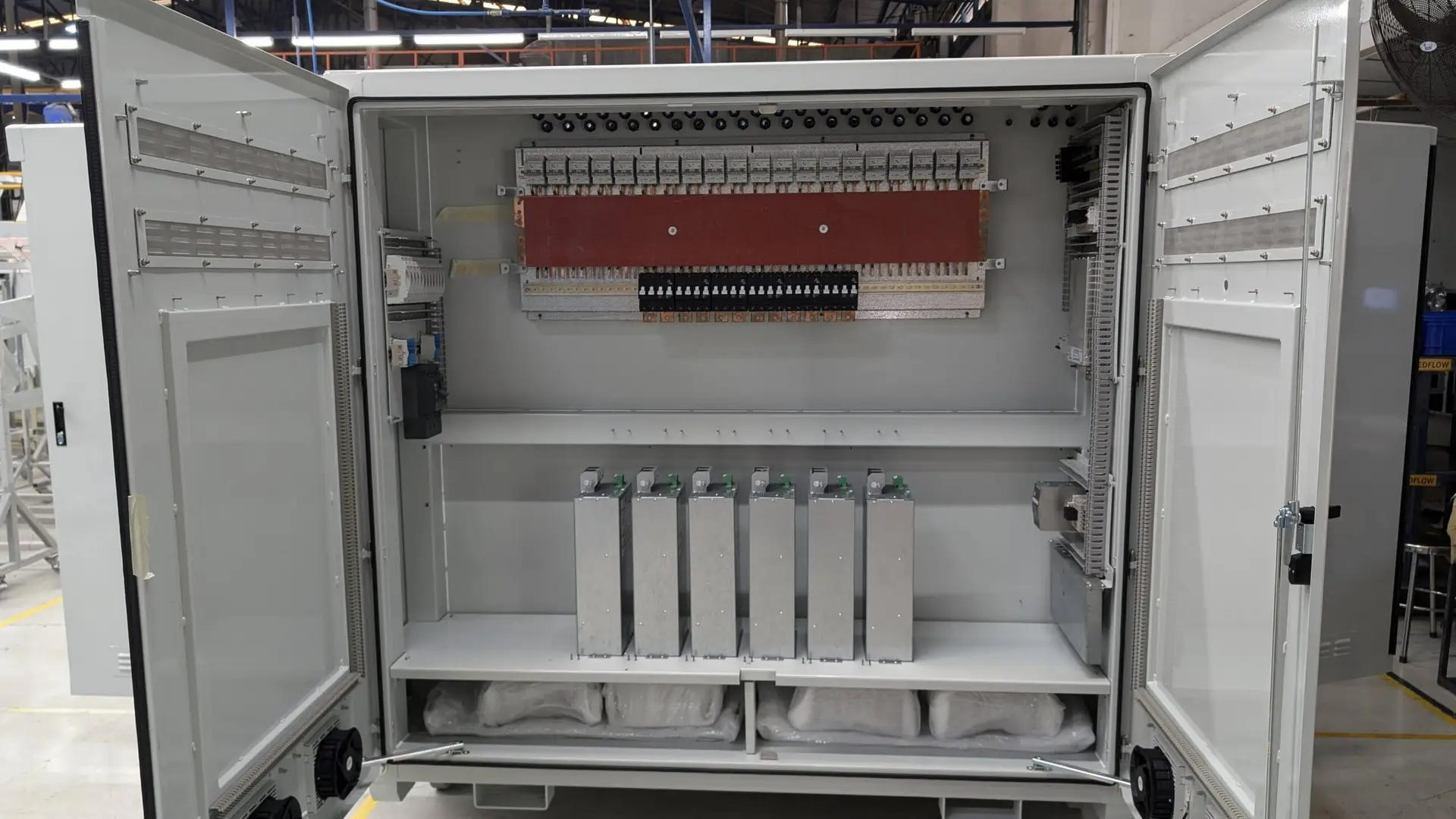
Energy & Renewables
Manufacturing solutions for renewable energy systems, power generation and energy infrastructure.

Mobility & Transport
Precision components and assemblies for automotive, electric vehicles and commercial transport systems.
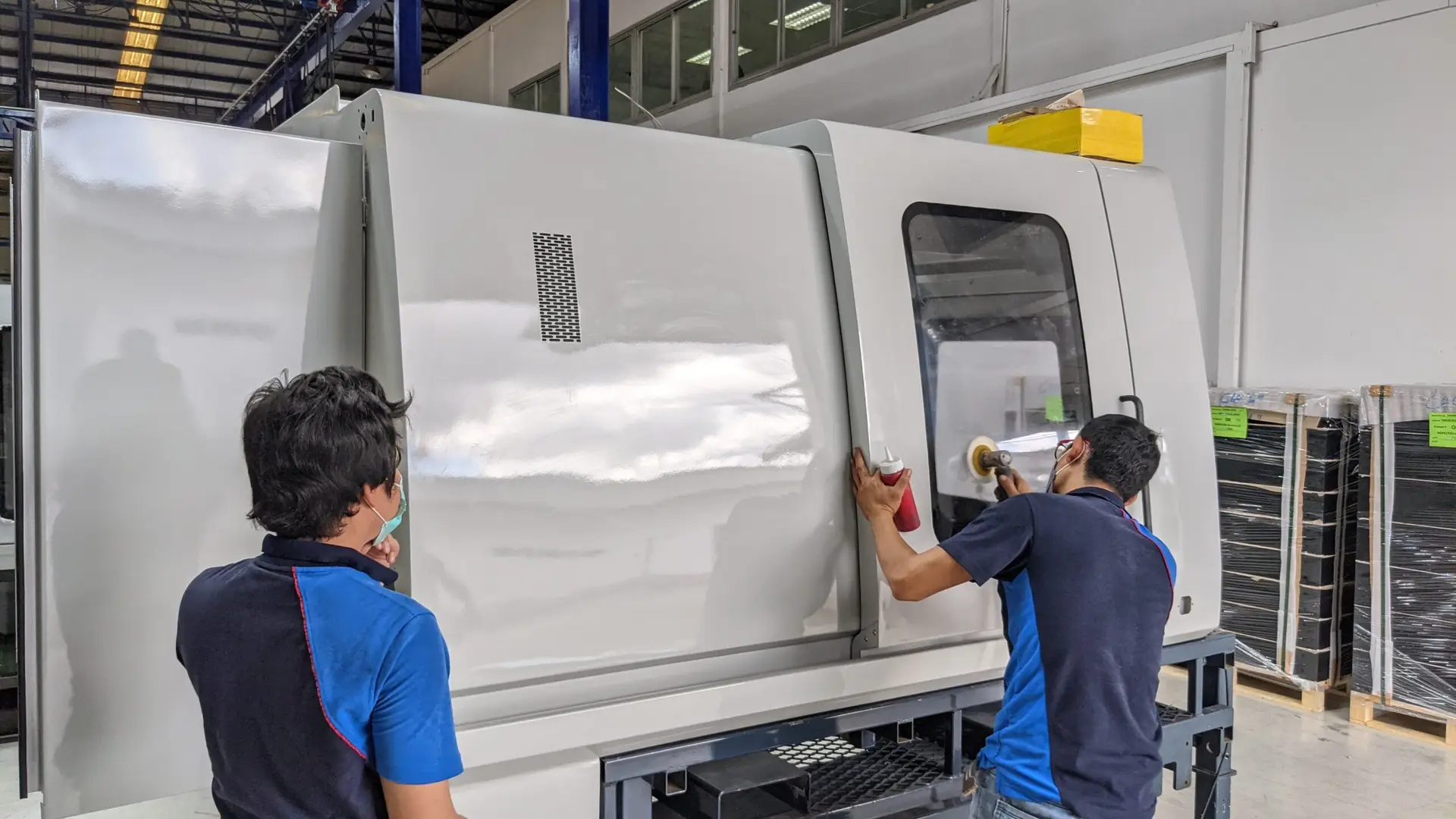
Industrial Machinery
Manufacturing support for industrial equipment, automation systems and specialised machinery.
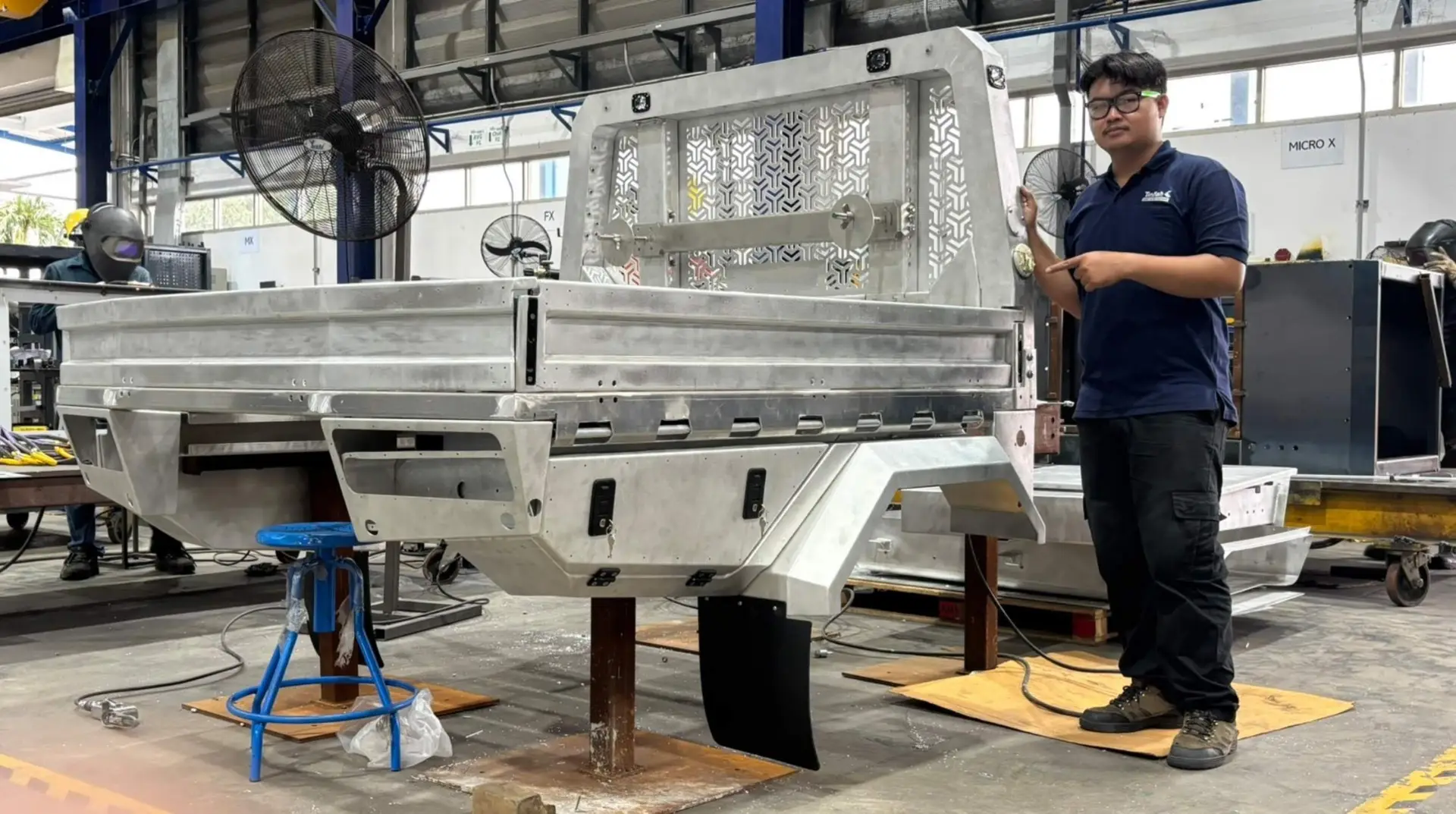
Off-Road & Specialty Vehicles
Robust manufacturing solutions for construction off-road, utility and specialist vehicle applications.
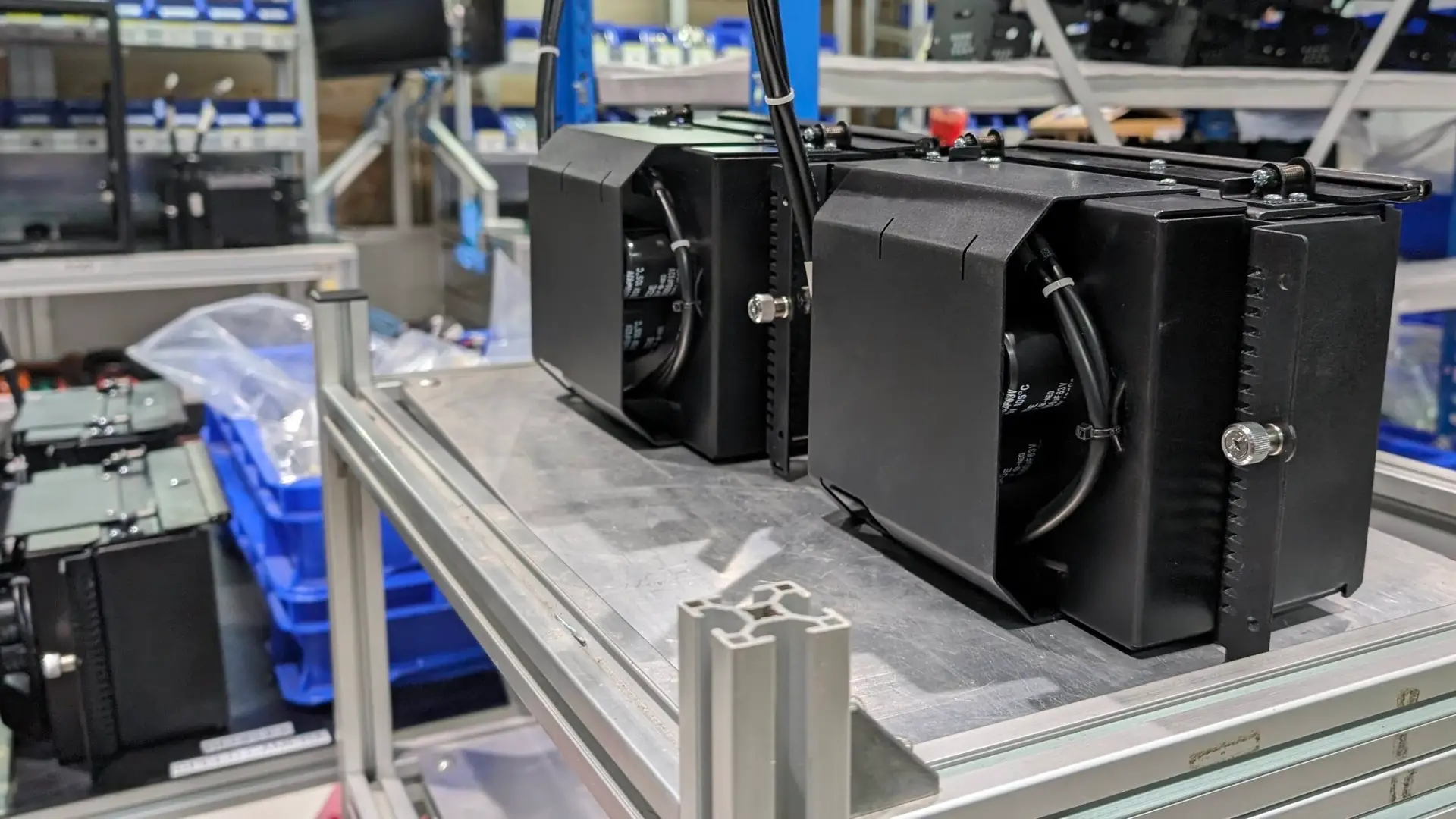
Semiconductors & High-Precision Electronics
Ultra-precision manufacturing for semiconductor equipment, electronic housings and compact high-precision applications.
Smart Infrastructure
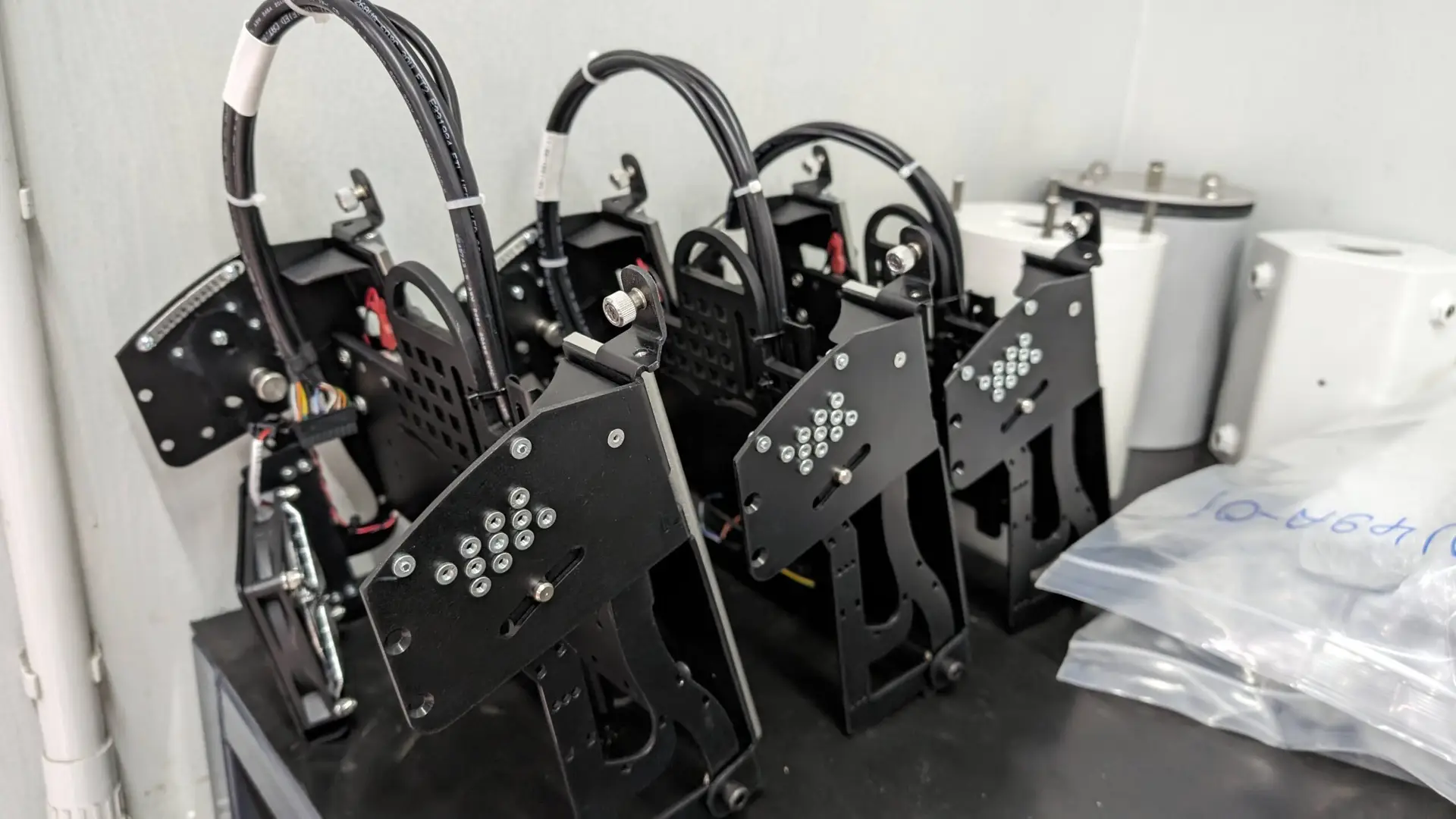
Components and assemblies for smart traffic systems, industrial sensors and connected infrastructure solutions.
Industry Questions Answered
Common questions from our industry partners about capabilities, compliance and quality.
Energy & Renewables
ANCA Manufacturing Solutions ensures compliance by working to the customer’s specified design, documentation, and compliance requirements from the beginning of the project. AMS supports this through controlled engineering change processes, documented work instructions, traceability, and inspection systems.
AMS uses ISO 9001 quality management, controlled document systems, ERP-based production control, and structured change control to ensure the product remains aligned to required compliance frameworks.
This is important for products such as electrical enclosures, power systems, battery-related equipment, and other energy infrastructure products where both design integrity and production control are critical.
Yes. AMS can support long-lifecycle products and spare part availability for 10+ years, provided this is planned properly from the beginning with controlled documentation, supplier planning, and obsolescence management.
Support relies on stable engineering documentation, clear bills of materials, supplier continuity, alternative sourcing options, and agreed inventory or last-buy strategies for at-risk items.
AMS can manage both ongoing production and lower-volume spare part runs, with MOQ and stocking discussions for critical items and clear lead-time communication for replacements.
AMS mitigates supply chain risks through forward planning, supplier diversification, controlled documentation, strategic inventory, and clear production scheduling.
For critical programs, AMS identifies supply risks early by reviewing the product structure for long-lead-time items, limited supplier base, import dependency, and MOQ constraints.
AMS also maintains alternative supplier networks and can qualify substitute components where approved by the customer, creating greater resilience during global supply chain disruption.
Mobility & Transport
AMS operates under ISO 9001 quality management systems and can support PPAP-style documentation, controlled traceability, inspection records, and structured change control where required by the customer.
Where a specific program requires formal IATF 16949 certification, AMS can pursue this with appropriate customer alignment and preparation time.
AMS can support drawing and revision control, first article reporting, material and batch traceability, inspection documentation, and deviation control for automotive and transport programs.
AMS manages cost pressure by focusing on value engineering, process optimisation, and manufacturability improvements rather than reducing features that protect safety and durability.
The focus is on improving how the product is made — material utilisation, part consolidation, design simplification, automation — not weakening what the product needs to do.
AMS avoids cost reduction changes that would reduce structural integrity, compromise corrosion performance, affect safety-related dimensions, or increase the risk of product failure in service.
Yes. AMS supports global OEM supply programs with established international shipping experience, flexible Incoterms (EXW, FOB, CIF, DDP), strong freight partnerships through the ANCA Group, and structured production planning aligned with delivery schedules.
AMS benefits from the ANCA Group’s global shipping activity (approximately AUD $3 million annually) and a logistics agreement with Kuehne + Nagel, providing access to reliable shipping routes and competitive freight pricing.
Industrial Machinery
Yes. AMS combines mechanical fabrication, machining, welding, coatings, assembly, and electronics integration within a single manufacturing environment, allowing customers to move from components to complete products.
- Sheet metal fabrication and laser cutting
- CNC machining and precision components
- Robotic and manual welding
- Surface finishing and coatings
- Mechanical assembly and sub-assembly
- Electronics integration and PCBA support
- Box-build and full product assembly
This reduces supplier complexity, improves coordination between mechanical and electrical elements, and shortens lead times by avoiding multi-supplier handovers.
AMS ensures repeatability through controlled manufacturing processes, structured work instructions (JBS), precision measurement systems, and advanced verification including 3D scanning with ~15-micron accuracy and independent CMM testing where required.
Tight tolerances are maintained by standardising setup methods, in-process inspection, operator training, and continuous improvement to stabilise critical operations across production runs.
AMS supports OEMs through controlled product data, flexible export logistics (air, sea, LCL, FCL, consolidated), and long-term supply planning covering both current production and aftermarket spare part programs.
AMS can ship to regional warehouses, distributors, or directly to end users under flexible Incoterms, and supports ongoing spare part runs, obsolescence planning, and MOQ discussions for long-lifecycle products.
Off-Road & Specialty Vehicles
AMS manufactures for the Australian off-road industry, where products are regularly exposed to heavy dust, constant vibration, high heat, humidity, and rough terrain. AMS supports these environments through appropriate materials, processes, coatings, and validation methods.
Material and process selection includes stainless steel, aluminium, and carbon steel depending on the application, with surface finishes and coatings suited to corrosion protection and durability under harsh-use conditions.
Yes. AMS is well suited to low-to-mid volume production in a high-mix manufacturing environment, supporting responsive engineering input, controlled prototype-to-production transition, and the ability to scale volumes over time.
AMS supports engineering flexibility through prototype and NPI workflows, DFM feedback, controlled engineering changes via ECN processes, and first article validation — allowing products to develop while remaining commercially practical to manufacture.
AMS aligns validation to the real operating environment of the product, supporting structural testing, weld inspection and dye testing, coating verification, corrosion testing (salt spray), dimensional validation, 3D scanning, and customer-specific requirements.
Durability validation is most effective when considered during prototype and NPI stages, so weaknesses can be identified before the product moves into ongoing production.
Smart Infrastructure
AMS supports cybersecurity and data protection through enterprise IT and business systems managed by the ANCA Group’s Australian IT and business systems team, ensuring engineering data and production systems are under structured corporate governance and secure access controls.
This centrally managed approach strengthens governance, system reliability, cybersecurity discipline, data backup, and secure handling of customer engineering information — rather than relying on local factory-level IT management alone.
Yes. AMS can support long-term supply agreements for public or government-related projects, provided the commercial terms, compliance requirements, and production scope are clearly defined at the beginning.
Long-term agreements allow AMS to plan production capacity, secure material and supplier commitments, improve delivery stability, and justify investment in tooling or process improvements needed for the program.
AMS manages export compliance through its internal logistics team, structured export processes, and flexible support across all major Incoterms (EXW, FOB, CIF, DDP).
AMS regularly ships internationally and can coordinate export documentation, customs requirements, and delivery responsibilities aligned to each destination market’s regulatory and commercial requirements.
Semiconductors & High-Precision Electronics
AMS supports high-precision manufacturing through controlled processes, precision metrology, and advanced verification including 3D scanning and independent CMM testing. AMS can support clean, controlled environments appropriate to the product — though it does not position itself as a semiconductor-grade cleanroom manufacturer.
Achievable precision depends on part geometry, material, manufacturing process, and inspection method. AMS works to the tolerance and quality requirements defined by the customer.
AMS ensures contamination control through disciplined handling, clean work practices, and process controls suited to the product. Traceability is maintained through documented material, process, and inspection records with batch identification.
Consistency across batches is supported by Job Breakdown Sheets (JBS), inspection sheets, in-process checks, operator training, and corrective action systems when issues are identified.
AMS can scale production while maintaining very tight tolerances where the product, process capability, and inspection method are properly matched. Micron-level tolerances are possible for certain precision components.
Scaling precision production requires controlling the full process — machine capability, stable fixturing, controlled routings, operator training, inspection frequency, and revision control — not just one-off accuracy on a prototype.
Ready to Discuss Your Requirements?
Whether you’re exploring options or ready to move forward, our team is here to help you understand how we can support your production needs.